Get in touch
Cambridge Roof Exchange Ltd
Unit 2 Barton Court, Comberton, Cambridge CB23 7BU. Survey-led industrial roof refurbishment across the UK.


Learn how insulation, rooflights and solar PV preparation can improve building performance ahead of the 2031 EPC B proposals.
Ben Thomas · Marketing & Sales Co‑ordinator · Cambridge Roof Exchange
9 min read
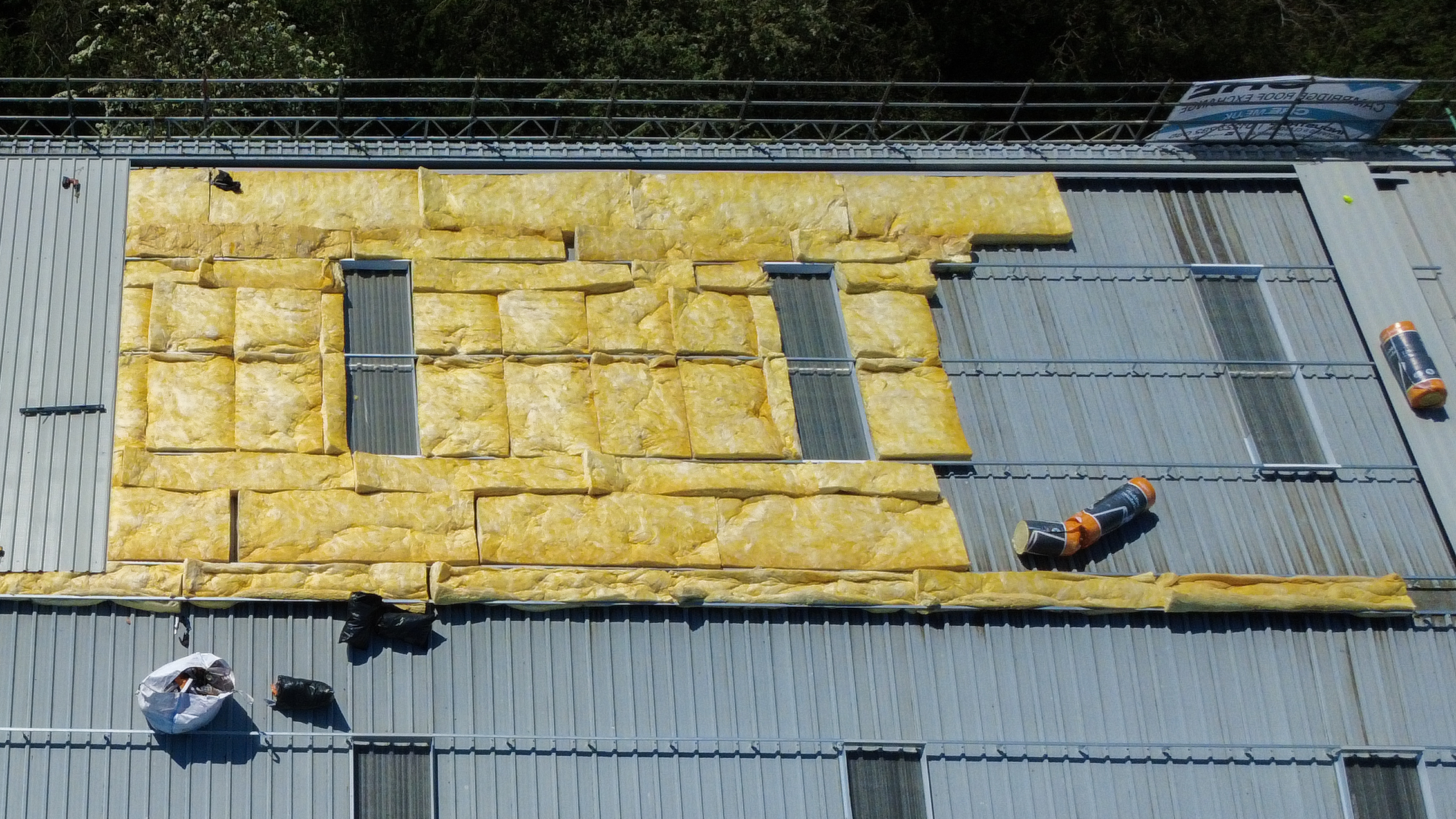
Energy efficiency is becoming an increasingly important consideration for owners, landlords and occupiers of commercial and industrial buildings. Whether you want to reduce energy bills, improve the value and marketability of a property, prepare for future requirements or simply make an ageing building perform better, understanding your building's EPC rating is a sensible place to start.
An Energy Performance Certificate (EPC) provides an assessment of a building's energy efficiency. Commercial properties are graded from A+ to G, with higher ratings representing more energy-efficient buildings.
According to the UK Government, an EPC is generally required when commercial premises are constructed, sold or rented, subject to certain exemptions. An EPC is normally valid for 10 years.
Energy performance is already becoming a differentiator in the commercial property market. Government statistics show that between January and March 2026, only 43% of non-domestic properties receiving an EPC achieved an A+, A or B rating. That means more than half were rated C or below.
The answer can involve heating, lighting, ventilation and renewable energy. But on warehouses, factories and other large industrial buildings, one of the biggest areas worth investigating is directly overhead: the roof.
In June 2026, the UK Government confirmed its intention to introduce a higher minimum energy-efficiency standard for parts of the non-domestic private rented sector.
Under the proposed approach:
For owners of large warehouses, factories, distribution centres and industrial units, understanding the current condition and thermal performance of the building is increasingly important. The roof can form a major part of that conversation.
Consider the scale of a typical warehouse roof. On a 10,000m² industrial building, there is potentially 10,000m² of building envelope exposed at roof level.
If the existing roof system is old, poorly insulated or deteriorating, improving it is an opportunity to upgrade the building fabric at the same time as resolving the roofing issue itself. A commercial roof refurbishment can incorporate modern insulation systems designed to reduce heat transfer through the roof. Current Building Regulations guidance in England is set out in Approved Document L (Conservation of Fuel and Power), which includes specific guidance for buildings other than dwellings.
For businesses already considering roof replacement or refurbishment, this means looking beyond simply stopping leaks. The project can become part of a wider energy-efficiency strategy.
Older industrial roofs can have very different thermal performance from modern insulated roofing systems. When an existing roof is refurbished or replaced, upgrading the insulation can reduce heat transfer and improve the thermal performance of the building envelope.
For heated warehouses, manufacturing facilities and commercial premises, this can potentially reduce the energy needed to maintain internal temperatures. It can also contribute to the measures considered when assessing a building's overall energy performance.
Rooflights are extremely valuable in industrial buildings because they bring natural daylight into large internal spaces. However, ageing rooflights can deteriorate, become discoloured or offer poorer thermal performance than modern systems.
Replacing them as part of a wider roofing project can improve the roof system while restoring natural daylight. More daylight can also reduce reliance on artificial lighting during daylight hours, depending on how the building operates and is laid out.
Commercial rooftops are a significant opportunity for on-site renewable electricity generation. Warehouses and industrial buildings are particularly well suited because they often offer very large, relatively unobstructed roof areas.
But installing solar panels isn't simply a matter of putting panels on the roof. Before PV is installed, you should consider:
If an ageing roof is likely to need major work in the near future, coordinating the refurbishment with the solar installation can avoid the costly situation of removing a relatively new PV system to replace the roof beneath it. A roof refurbishment can make the building PV-ready for immediate or future solar installation.
Energy performance isn't only about insulation thickness. Deteriorated roof sheets, damaged flashings, failed interfaces and other defects can all affect how well the building envelope performs. Water ingress can also damage insulation materials and other components within the roof build-up.
A professional roof condition survey can identify these problems before a larger refurbishment strategy is developed.
Improving an EPC rating shouldn't be approached as "replace the roof and the EPC will improve." Every building is different. Heating systems, lighting, ventilation, insulation, glazing, renewable technologies and the way the building is operated can all influence its energy performance.
The best approach is to understand where the building is currently underperforming and decide which improvements offer the greatest benefit. The roof may be only one part of that strategy, but on a large industrial building it can be a very significant one.
The scale of energy use across the non-domestic building stock shows why these improvements matter. The Department for Energy Security and Net Zero's 2026 Non-domestic National Energy Efficiency Data Framework (ND-NEED) analyses metered electricity and gas consumption across non-domestic buildings in England and Wales. The latest dataset covers 2012 to 2024 and breaks down performance by building use, building size and business size.
For property owners managing large estates, even relatively small efficiency improvements become important when multiplied across thousands of square metres of operational space.
Not necessarily. If the existing roof is in good condition with significant service life remaining, other improvements may offer a better return.
However, if a building already has an ageing roof, recurring leaks, deteriorating rooflights, poor insulation or plans for solar PV, it makes sense to investigate energy performance at the same time. Instead of treating roof replacement purely as maintenance expenditure, owners can consider whether the project could also:
That makes roof refurbishment part of a much broader property investment strategy.
Many industrial buildings across the UK were constructed decades ago and still operate with ageing roof systems. The question isn't simply whether those roofs are leaking today. Building owners should also ask: how will this roof perform over the next 10, 20 or 25 years?
With energy efficiency becoming increasingly important, waiting until a roof reaches complete failure can limit your options and turn a planned capital project into an emergency repair. Understanding its condition early gives you more time to plan.
At Cambridge Roof Exchange, we work with owners and occupiers of commercial and industrial buildings to assess existing roof systems and develop appropriate refurbishment solutions. Our surveys can help identify deterioration, rooflight condition, guttering issues, areas of water ingress and opportunities for wider roof upgrades.
Where appropriate, refurbishment projects can incorporate modern insulated roofing systems, replacement rooflights, gutter improvements and preparation for solar PV, allowing several building-performance issues to be considered as part of one project.
If you're responsible for an ageing commercial or industrial roof, speak to Cambridge Roof Exchange about arranging a roof survey and understanding the options available for your building.
Potential improvements include upgrading insulation, installing more efficient heating and lighting systems, improving ventilation and controls, upgrading windows and doors, and introducing renewable technologies such as solar PV. The most appropriate measures depend on the individual building and should be assessed before work begins.
Roof insulation forms part of the building's thermal envelope, so improving its thermal performance can contribute to the overall energy performance of a building. The actual effect on an EPC rating depends on the entire building and should be assessed by an appropriately qualified energy assessor.
Requirements depend on the property and circumstances. The government currently operates Minimum Energy Efficiency Standards for applicable privately rented non-domestic property. In June 2026, it confirmed an intention to introduce an EPC B requirement from 2031 for privately rented non-domestic buildings over 1,000m² in England and Wales, where cost-effective.
Potentially, but the condition, expected lifespan and structural capacity of the existing roof should be assessed first. Installing a PV system on a roof approaching the end of its service life could create additional costs if the panels later need to be removed for roofing works.
If the roof is approaching the end of its expected service life, coordinating the refurbishment with a planned solar installation may be more practical than installing panels first and replacing the roof later. A roof survey can help determine the condition of the existing system.
Common warning signs include recurring leaks, corrosion, damaged or discoloured rooflights, failing gutters, deteriorating sheets or membranes and increasing maintenance requirements. A professional roof condition survey can establish the condition of the roof and whether repair, overcladding or replacement is appropriate.
Get in touch
Send us the site details, drawings or photos and we'll advise whether the right route is repair, overclad, replacement or asbestos removal. No obligation.