Get in touch
Cambridge Roof Exchange Ltd
Unit 2 Barton Court, Comberton, Cambridge CB23 7BU. Survey-led industrial roof refurbishment across the UK.


Peeling coating at your roof sheet edges? Learn what causes cut edge corrosion on industrial roofs, the warning signs and how it’s treated.
Ben Thomas · Marketing & Sales Co‑ordinator · Cambridge Roof Exchange
6 min read
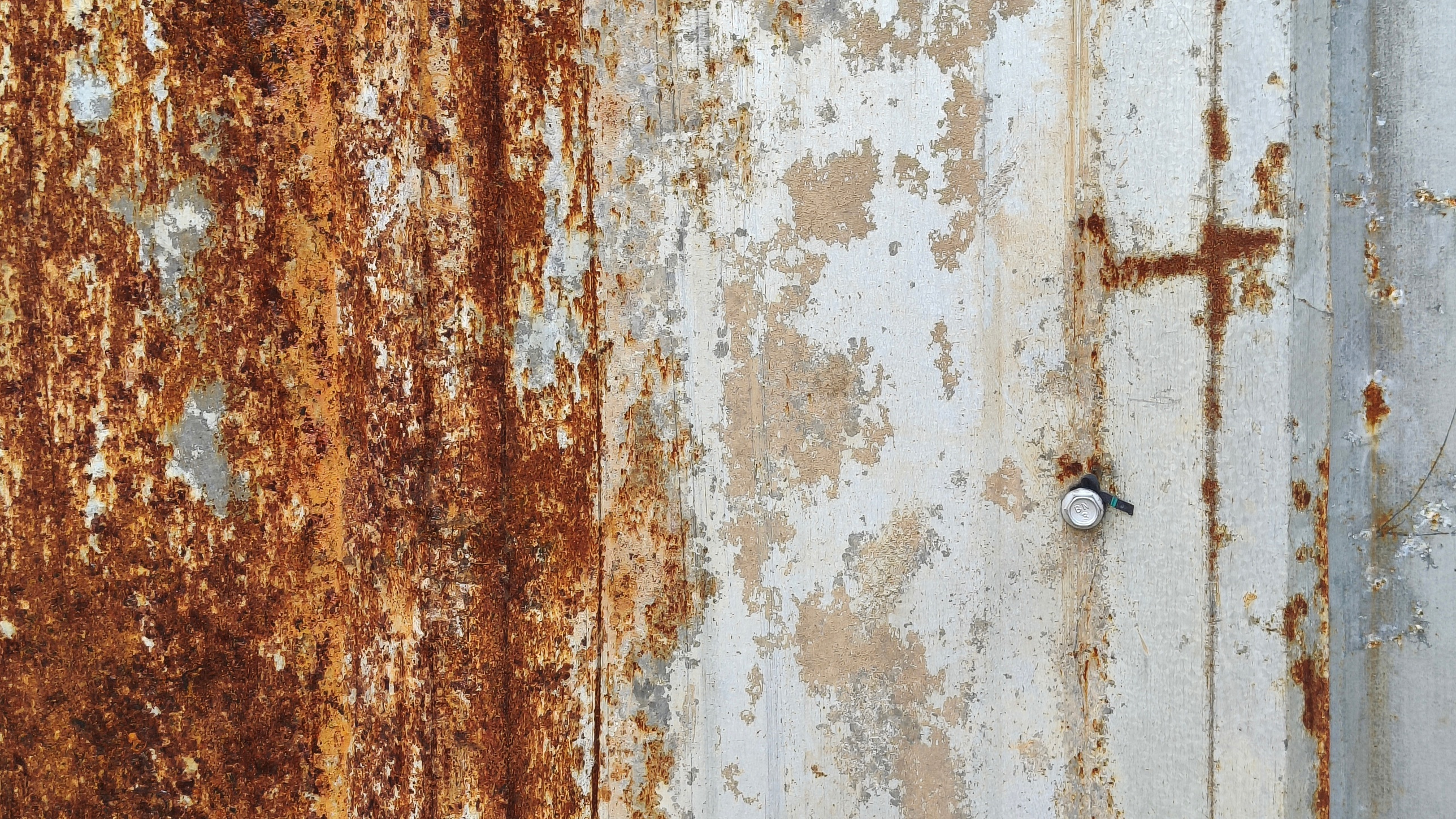
If you look up at the roof of almost any warehouse or factory built in the last 40 years, there’s a good chance you’ll see it. Along the bottom edges of the roof sheets, the coating is peeling back and rust is starting to creep up the steel. This is cut edge corrosion, and it is one of the most common problems we find on industrial metal roofs.
The good news is that, caught early, cut edge corrosion is very treatable. Left alone, it can lead to leaks, damaged stock and eventually the cost of replacing roof sheets that could have been saved. This guide explains what causes it, how to spot it and what can be done about it.
What is cut edge corrosion?
Most modern industrial roofs are made from steel sheets that are galvanised and then coated at the factory, usually with a plastisol coating, which has a slightly textured, leather-like finish. That coating protects the steel from the weather. The problem is that the sheets are coated in long lengths and then cut to size, which leaves a thin strip of bare, unprotected metal along every cut edge. As Tor Coatings explains in its guide to treating cut edge corrosion, it’s these unprotected edges, exposed to the weather, where the corrosion starts.
Over time, moisture gets to the exposed steel and it begins to rust. As the rust builds up, it pushes the coating away from the metal, the coating starts to peel and lift, and more steel is exposed. The process feeds itself, gradually working its way up the sheet.
Why it usually starts at the bottom of the roof
Cut edge corrosion tends to be worst at the eaves and at the end laps, where one sheet overlaps the one below. These are the places where water collects and sits. Rain running down the roof gathers at the lowest edges, and water can be drawn into the overlap between sheets and held there against the bare metal.
Condensation can make things worse. The Liquid Roofing and Waterproofing Association’s guidance on refurbishing profiled roofs notes that condensation forming on the underside of roof sheets can collect just above a sealed cut edge joint and be drawn back up as the sheet heats and cools in the sun. That’s why understanding how the building is used, and whether it’s well ventilated, matters as much as treating the edge itself.
Warning signs to look out for
You can often spot cut edge corrosion from the ground or from inside the building. Look for coating that is peeling, flaking or curling back at the bottom edges of roof sheets or wall cladding. Rust staining at the eaves, on gutters or running down walls is another sign. Inside the building, look for drips or damp patches near the eaves or along the lines where sheets overlap, especially after heavy rain.
If you’re seeing these signs, don’t send anyone up onto the roof to take a closer look. Many industrial roofs include fragile materials and rooflights, and any inspection should be carried out by a competent contractor with proper access equipment.
What happens if you leave it?
Cut edge corrosion doesn’t stand still. In the early stages it’s mainly cosmetic, but as the rust spreads up the sheet it begins to eat into the steel itself. Water gets in at the laps, and leaks start to appear inside the building. At that point, the damage can extend to insulation, linings and anything stored below.
Eventually the steel can corrode so badly that the affected sheets have to be cut out and replaced. Guidance from IKO on refurbishing plastisol coated cladding makes the point that where sheets have corroded from the reverse side, all the defective areas need to be removed rather than coated over. Treating the problem early is far cheaper than replacing sheets later.
How cut edge corrosion is treated
Cut edge corrosion is usually treated with a specialist liquid-applied system designed for the job. While the exact process depends on the product and the condition of the roof, a typical treatment follows a similar sequence. The loose and failing coating is cut back to where it is still firmly bonded to the steel. The exposed metal is cleaned, and any corrosion is treated. A primer is applied to stabilise the steel, the overlap between sheets is sealed, and then a flexible protective coating is applied over the treated edge.
Getting the preparation right is the most important part. A coating applied over loose plastisol or active rust won’t last, and a poorly sealed lap can trap water and make things worse. Previous repairs also need care, and IKO’s guidance advises that old repairs should be taken back to bare metal before the new treatment goes on.
Treatment, overcladding or replacement?
Cut edge treatment is the right answer when the corrosion is limited to the edges and laps and the rest of the sheet is sound. It extends the life of the roof at a fraction of the cost of replacing it.
If the corrosion has spread further across the sheets, or the roof has other problems such as failing rooflights, poor insulation or widespread leaks, it may be time to look at overcladding or replacement instead. Our guide to the signs your commercial roof needs replacing covers how to tell the difference, and our article on what affects the cost of an industrial roof replacement explains what shapes the budget if you go that way.
Preventing it from coming back
Once a roof has been treated, regular inspections are the best way to keep it in good condition. Checking the treated edges, laps and gutters as part of planned maintenance means any new problems are picked up while they’re still small. Keeping gutters clear also helps, as standing water at the eaves speeds up corrosion along the bottom edges of the sheets.
Cut edge corrosion treatment from CRE
At Cambridge Roof Exchange, we survey, repair and maintain industrial metal roofs across the UK, working around live sites so your building stays operational. We’ll assess the extent of the corrosion, tell you plainly whether treatment, overcladding or replacement is the right route, and carry out the work safely. Book a roof survey and we’ll tell you exactly what your roof needs.
Frequently asked questions about cut edge corrosion
Is cut edge corrosion covered by the roof sheet manufacturer’s guarantee? It depends on the manufacturer, the age of the roof and whether the conditions of the guarantee have been met, which often include regular inspection and maintenance. It’s worth checking your building’s records or asking the original installer.
Can cut edge corrosion cause leaks? Yes. Once corrosion spreads into the overlaps between sheets, water can find its way into the building, usually near the eaves or along the lap lines.
How long does cut edge treatment last? It varies by product and by how well the roof was prepared, but a good system applied properly can protect the edges for many years, especially when it’s backed up by regular inspection.
Can cut edge corrosion be treated while the building is in use? In most cases, yes. The work is carried out from the outside of the roof, so with proper planning, your site can usually keep running as normal.
Get in touch
Send us the site details, drawings or photos and we'll advise whether the right route is repair, overclad, replacement or asbestos removal. No obligation.